
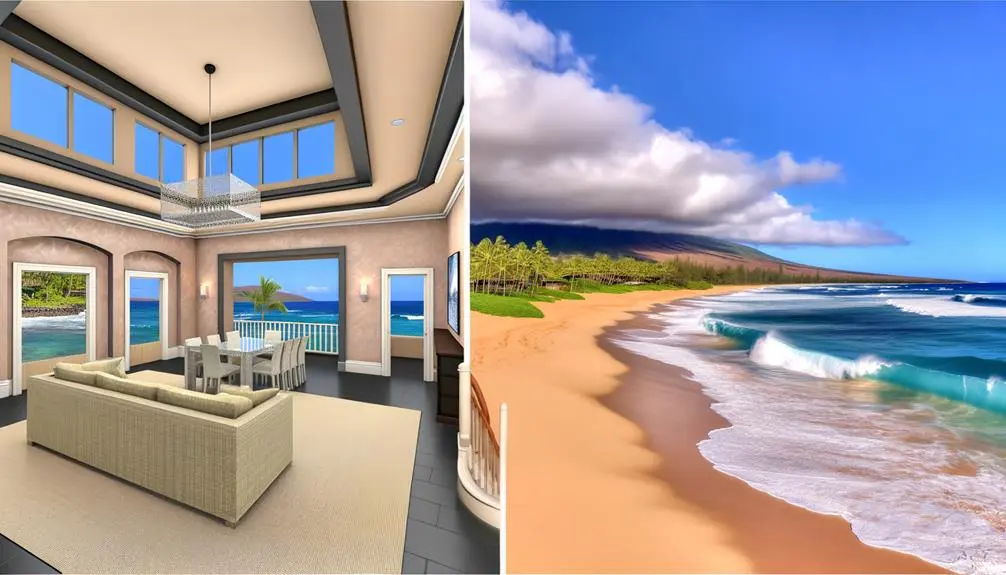
If you're looking to showcase properties in Maui, it's worth exploring the differences between virtual and traditional open houses.
Virtual open houses offer convenience and accessibility, allowing potential buyers to explore homes from the comfort of their own surroundings. On the other hand, traditional open houses provide a personal touch and interaction that can't be replicated digitally.
So, which method is more effective? Let's dive in and explore the advantages and considerations of each approach.
Virtual open houses have gained popularity for their convenience. With virtual tours and 3D walk-throughs, potential buyers can explore a property at any time that suits them. They can view each room, check out the layout, and get a feel for the space without leaving their homes. This is particularly beneficial for out-of-town buyers or those with busy schedules. Virtual open houses also eliminate the need for travel and allow for social distancing, making them a suitable option in today's world.
However, it's important to note that virtual open houses may lack the personal touch that traditional open houses provide. In a traditional open house, buyers have the opportunity to interact with the seller or real estate agent, ask questions, and get immediate responses. They can also get a sense of the neighborhood and the surrounding area by physically being there. This personal interaction can be invaluable in building trust and forming connections with potential buyers.
Another consideration is the level of attention and engagement. In a traditional open house, buyers can focus solely on the property and immerse themselves in the experience. There are no distractions from other listings or technology. In contrast, virtual open houses may compete for attention with other online listings or digital distractions. It's important to ensure that the virtual open house is engaging, informative, and captures the buyer's attention throughout the tour.
When it comes to reaching a wider audience, virtual open houses have the advantage. With the ability to share the virtual tour on multiple platforms and social media channels, the reach and exposure of the property can be significantly increased. This can attract potential buyers who may not have otherwise been able to attend a traditional open house.
In conclusion, both virtual and traditional open houses have their advantages and considerations. Virtual open houses offer convenience, accessibility, and a wider reach, while traditional open houses provide a personal touch, immediate interaction, and a focused experience. Ultimately, the effectiveness of each method depends on the specific needs and preferences of the buyers and sellers involved.
Key Takeaways
If you're looking to showcase properties in Maui, it's worth exploring the differences between virtual and traditional open houses.
Virtual open houses offer convenience and accessibility, allowing potential buyers to explore homes from the comfort of their own surroundings. They can take virtual tours and 3D walk-throughs to view each room, check out the layout, and get a feel for the space without leaving their homes. This is particularly beneficial for out-of-town buyers or those with busy schedules. Virtual open houses also eliminate the need for travel and allow for social distancing, making them a suitable option in today's world.
However, it's important to note that virtual open houses may lack the personal touch that traditional open houses provide. In a traditional open house, buyers have the opportunity to interact with the seller or real estate agent, ask questions, and get immediate responses. They can also get a sense of the neighborhood and the surrounding area by physically being there. This personal interaction can be invaluable in building trust and forming connections with potential buyers.
Another consideration is the level of attention and engagement. In a traditional open house, buyers can focus solely on the property and immerse themselves in the experience. There are no distractions from other listings or technology. In contrast, virtual open houses may compete for attention with other online listings or digital distractions. It's important to ensure that the virtual open house is engaging, informative, and captures the buyer's attention throughout the tour.
When it comes to reaching a wider audience, virtual open houses have the advantage. With the ability to share the virtual tour on multiple platforms and social media channels, the reach and exposure of the property can be significantly increased. This can attract potential buyers who may not have otherwise been able to attend a traditional open house.
In conclusion, both virtual and traditional open houses have their advantages and considerations. Virtual open houses offer convenience, accessibility, and a wider reach, while traditional open houses provide a personal touch, immediate interaction, and a focused experience. Ultimately, the effectiveness of each method depends on the specific needs and preferences of the buyers and sellers involved.
Benefits of Virtual Open Houses
Virtual open houses offer numerous benefits for both sellers and buyers. They provide a convenient and efficient way to view properties without the need for physical presence or logistical arrangements. With virtual open houses, potential buyers can easily access and explore properties from the comfort of their own homes. This eliminates the need for travel and allows for broader accessibility, especially for buyers who may be located in different cities or even countries. Estate agents in Maui can use virtual tours to showcase properties to a wider audience, increasing the chances of finding the right buyer.
One of the key advantages of virtual open houses is the time and resource-saving aspect. Buyers no longer need to spend time and money on travel to physically visit properties. Instead, they can simply log on to a virtual open house and explore the property at their own pace. This not only saves time but also reduces the carbon footprint associated with traditional open house events. Additionally, sellers benefit from the convenience of virtual open houses as they don't have to make arrangements for physical tours or coordinate schedules with potential buyers.
Furthermore, virtual open houses offer interactive features that enhance the viewing experience. Through 360-degree tours, potential buyers can get a comprehensive view of the property, allowing them to assess its layout and features in detail. Live Q&A sessions also provide an opportunity for buyers to ask questions and receive immediate responses, replicating the personal interaction that would typically occur during a traditional open house.
Advantages of Traditional Open Houses

Traditional open houses offer unique advantages that can't be replicated through virtual tours or online platforms. In Maui, these traditional open houses provide potential buyers with the opportunity to experience the property in person, creating a deeper connection to the home. Having a real estate agent present adds value as they can offer guidance and assistance, answering questions and addressing concerns in real-time. This immediate interaction fosters a sense of trust and reliability, which may be lacking in virtual open houses.
One of the main benefits of traditional open houses is the ability to create a sense of urgency and excitement. When buyers visit a property in person, they can see firsthand the features and ambiance that may not be fully captured in a virtual tour. This personal touch allows sellers to showcase the unique aspects of their property, making it stand out in the competitive Maui real estate market.
Furthermore, traditional open houses can lead to on-the-spot offers and quicker sales. Buyers who attend open houses are often motivated and ready to make a purchase. This sense of urgency, coupled with the ability to engage directly with the seller or agent, can result in immediate offers and negotiations, expediting the selling process.
Cost Comparison: Virtual Vs. Traditional Open Houses

When comparing the costs of virtual and traditional open houses, it's clear that virtual open houses offer significant savings. One of the main advantages is the elimination of travel expenses. With traditional open houses, both real estate agents and potential buyers need to physically visit the property, which can involve transportation costs. However, with virtual open houses, potential buyers can view the property from the comfort of their own homes, eliminating the need for travel and associated expenses.
Another area where virtual open houses save costs is in staging and decorations. Traditional open houses often require staging the home with furniture and decor to create an appealing atmosphere. This can be quite expensive, especially if professional staging services are involved. On the other hand, virtual open houses don't require physical staging, as the property is presented as it is. This can result in significant cost savings for the seller.
Additionally, virtual open houses eliminate the need for printed marketing materials and refreshments for guests. Traditional open houses often involve printing brochures, flyers, and other promotional materials to provide information about the property. Refreshments, such as food and beverages, are also commonly offered to guests. These expenses can add up quickly. With virtual open houses, all the information can be provided online, eliminating the need for printed materials and refreshments, thus reducing costs.
Lastly, virtual open houses have the potential to reach a wider audience at a lower cost compared to traditional open houses. With the use of social media platforms, online listings, and virtual tour technologies, real estate agents can showcase the property to a larger pool of potential buyers without incurring additional expenses.
Reach and Accessibility: Virtual Vs. Traditional Open Houses

When it comes to reaching a wider audience, virtual open houses have a clear advantage over traditional ones. With virtual open houses, you have the opportunity to showcase your property to a much larger group of potential buyers, regardless of their location. This means you can attract buyers from different areas and increase your chances of selling your property quickly.
Accessibility is another area where virtual open houses excel. Unlike traditional open houses, which may have limitations for certain buyers, virtual open houses offer ease of access for everyone. This includes individuals with mobility challenges who may find it difficult to physically attend a traditional open house. By opting for a virtual open house, you can ensure that your property is accessible to a wider range of buyers, giving you a better chance of finding the right buyer for your property.
Reach: Virtual Vs. Traditional
Virtual open houses provide a convenient and accessible way for potential buyers to explore properties without the need for physical travel. This is especially helpful for buyers who are located far away from the property they're interested in. With virtual open houses, anyone can easily take a virtual tour of a Maui home listed by Coldwell Banker, no matter where they are.
This broader reach allows sellers to attract potential buyers from different locations, increasing the property's exposure and chances of finding the right buyer. Plus, virtual open houses save time and resources for both sellers and buyers by eliminating the need for physical travel.
Convenience: Virtual Vs. Traditional
Virtual open houses offer a level of convenience and accessibility that traditional open houses simply can't match. With virtual open houses, anyone with an internet connection can easily access the event from the comfort of their own homes, eliminating the need to travel to a specific location. This makes it quick and effortless to get information about a property.
Whether you're a busy professional, a parent with young children, or simply prefer attending from the comfort of your own space, virtual open houses cater to your needs. With just a few clicks, you can start a new viewing, making it as easy as possible to get all the information you need about a property.
The easy access provided by virtual open houses ensures that potential buyers don't miss out on any opportunities, even if they can't attend traditional open houses due to time or location constraints.
Engagement: Virtual Vs. Traditional
Engagement: Virtual Vs. Traditional
When it comes to comparing virtual and traditional open houses, it's important to consider how engagement differs between the two formats, particularly in terms of reach and accessibility.
- Virtual open houses have a clear advantage when it comes to reach and accessibility. Unlike traditional open houses, which limit access to those who can physically visit the property, virtual open houses give potential buyers the opportunity to engage with the property from anywhere, at any time. This means that more people can have the chance to explore the property and consider it as a potential purchase.
- Traditional open houses often restrict engagement to a specific time and location, which can be inconvenient for some potential buyers. In contrast, virtual open houses offer flexible engagement, allowing buyers to view and interact with the property on their own schedule. This convenience makes it easier for interested buyers to participate and increases the likelihood of their engagement.
- Another advantage of virtual open houses is their ability to reach a global audience. While traditional open houses typically attract local attendees, virtual open houses have the potential to attract buyers from anywhere in the world. This expanded reach increases the chances of finding the right buyer and achieving a successful sale.
When comparing virtual and traditional open houses in Maui, it's clear that virtual open houses provide a wider reach and greater accessibility. They allow potential buyers to engage with the property on their own terms, from anywhere in the world. This increased engagement can lead to more successful sales and a broader range of interested buyers.
Personal Interaction: Virtual Vs. Traditional Open Houses

When it comes to personal interaction, traditional open houses have the advantage of allowing you to meet potential buyers face-to-face and engage with them in real-time. It's a great opportunity to have immediate feedback and address any questions or concerns in a hands-on manner. This creates a more personal and interactive experience.
On the other hand, virtual open houses offer the convenience of interacting with multiple buyers at once. However, the lack of physical presence and direct communication may make personal interaction feel more limited compared to traditional open houses.
Face-To-Face Connections
Open houses provide a valuable opportunity for personal interaction and immediate feedback from potential buyers in the real estate industry. Here are three reasons why face-to-face connections are important:
- Building rapport: Meeting potential buyers in person allows you to establish a personal connection and build trust. By engaging in conversations and understanding their needs and preferences, you can tailor your approach and showcase properties that align with their requirements.
- Real-time engagement: Traditional open houses allow you to answer questions and address concerns on the spot. This immediate feedback helps potential buyers make informed decisions and allows you to address any hesitations they may have.
- Exploring the neighborhood: Meeting buyers in person gives you the opportunity to take them on a tour of the neighborhood, highlighting key features like nearby amenities, schools, and parks. This firsthand experience enables potential buyers to visualize themselves living in the area and assess if it meets their lifestyle needs.
Face-to-face connections at open houses create a more dynamic and engaging experience, allowing for personal interaction, immediate feedback, and the chance to showcase properties and neighborhoods in a meaningful way.
Real-Time Buyer Engagement
Embracing technological advancements in the real estate industry allows professionals to adapt to the changing landscape of open houses and provide a high level of engagement to potential buyers. With virtual open houses, you can experience real-time buyer engagement through features like live video chats and Q&A sessions. This means you can have personal interactions with the real estate agent, just as you'd in a traditional open house. The convenience of virtual open houses is a major advantage, as it allows you to engage with potential buyers from anywhere, providing flexibility for both parties involved.
However, traditional open houses offer a different experience. They give you the opportunity to physically explore the property and engage with the agent in person. This hands-on experience allows you to get a better feel for the ambiance and layout of the property, creating a more tangible impression.
Whether you prefer the convenience of virtual open houses or the immersive experience of traditional open houses, both options offer real-time engagement to help you make informed decisions about properties in West Maui with Maui Ocean and beach access.
Technology and Innovation in Virtual Open Houses

Virtual open houses have completely transformed the way potential buyers experience and engage with properties, thanks to innovative technology and immersive features. Let's take a look at three ways technology and innovation enhance virtual open houses:
- 3D Tours:
Virtual open houses utilize cutting-edge 3D tours to provide potential buyers with a realistic and detailed view of a property. This technology allows buyers to navigate through each room, zoom in on specific features, and get a true sense of the layout and flow of the house or condo. By offering this immersive experience, virtual open houses enable buyers to explore properties at their own pace and from the comfort of their own homes.
- Live Video Walkthroughs:
Another exciting feature of virtual open houses is the option for live video walkthroughs. During these sessions, agents or sellers guide potential buyers through the property in real-time. This interactive experience allows buyers to ask questions, request close-ups of specific areas, and receive a personalized tour without physically being present. Live video walkthroughs create a strong sense of connection and engagement, making buyers feel actively involved in the process.
- Virtual Reality Experiences:
Virtual open houses also make use of virtual reality (VR) technology to provide an even more immersive experience. By using VR headsets, potential buyers can virtually step into the property and get a realistic sense of the space and ambiance. This technology allows buyers to envision themselves living in the house or condo, making it easier for them to make informed decisions about their purchase.
The integration of technology and innovation into virtual open houses offers numerous benefits, especially when compared to traditional open houses. Whether you're in the process of selling your house, in the escrow process, or looking for a long-term investment in Maui, virtual open houses provide convenience, accessibility, and the ability to reach a global audience of potential buyers. With 3D tours, live video walkthroughs, and virtual reality experiences, virtual open houses have revolutionized the way properties are showcased and experienced, making them an invaluable tool in the real estate industry.
Potential Drawbacks of Virtual Open Houses

Virtual open houses offer many advantages, but it's important to consider potential drawbacks.
One main drawback is the limited personal interaction and inability to physically view the property. Unlike traditional open houses, virtual ones don't allow buyers to walk through and get a feel for the layout and size. This can make it harder for buyers to accurately assess if the property meets their needs.
Another drawback is the potential for technology limitations. Depending on the quality of the virtual tour or video, buyers may not fully experience the property and its features. They also can't physically touch and feel the property, making it difficult to gauge its true size and feel.
Technical glitches and internet connectivity issues can also be problematic during virtual open houses. Poor internet connection or technical difficulties can disrupt the viewing experience and frustrate potential buyers. This can result in a less enjoyable and informative experience overall.
Furthermore, virtual open houses lack immediate feedback and real-time engagement with potential buyers. Unlike traditional open houses where buyers can ask questions and get immediate responses, virtual open houses may not offer the same level of interaction. This can make it harder for buyers to gather all the information they need to make an informed decision.
Combining Virtual and Traditional Open Houses for Maximum Results

To make the most of virtual and traditional open houses, consider combining both approaches for optimal results. By integrating virtual and traditional open houses, you can create a well-rounded marketing strategy that appeals to a wider range of potential buyers.
Here are three reasons why this hybrid approach can be highly effective:
- Increased exposure: By combining virtual and traditional open houses, you can reach a larger audience of buyers, both locally and globally. Traditional open houses attract buyers who are already in the area or actively searching for properties, while virtual open houses can attract out-of-state or international buyers. Utilizing both methods allows you to expand your reach and attract a diverse pool of potential buyers.
- Flexibility for buyers: Buyers have different preferences and circumstances when it comes to attending open houses. Some may prefer the convenience of a virtual open house, which allows them to view the property from the comfort of their own homes. Others may prefer the immersive experience of a traditional open house, where they can physically walk through the property and get a better sense of the space. By offering both options, you can accommodate the needs and preferences of a wider range of buyers.
- Engaging diverse demographics: Combining virtual and traditional open houses increases the chances of reaching and engaging with diverse buyer demographics. Virtual open houses can attract tech-savvy millennials who are comfortable with digital platforms, while traditional open houses can appeal to older buyers who may prefer more traditional methods. By catering to different demographics, you can ensure that your property is seen by a wide range of potential buyers.
Frequently Asked Questions
Are Real Estate Prices Dropping in Maui?
Real estate prices in Maui are currently experiencing a decline, which is great news for potential buyers like you. This downward trend in prices presents a unique opportunity to secure property at favorable rates.
Sellers may need to adjust their pricing strategies in response to this market shift. It's crucial to stay informed about the Maui real estate market to identify potential investment opportunities as prices continue to drop.
Why Is Maui Housing so Expensive?
Maui housing is expensive because there's a high demand for it, but a limited supply. Many people want to live or invest in Maui because of its desirability as a place to live. This drives up the prices of homes and apartments. The cost of living on Maui is also higher compared to many cities on the mainland, which affects affordability.
One of the main reasons for the limited supply of housing is the scarcity of available land. Maui is a small island, and there's only so much space for new housing developments. Additionally, strict zoning regulations make it difficult to build new homes or apartments. This further limits the options for housing.
Another factor that contributes to the high housing prices is the influx of tourists and the popularity of vacation rentals. Many properties that could be used for long-term rentals or ownership are instead being used as vacation rentals. This reduces the inventory of available housing for locals and drives up prices.
Despite the high prices, people are still attracted to Maui because of its natural beauty, climate, and lifestyle amenities. They're willing to pay a premium to live in such a desirable location.
What Is the Average Value of a House in Maui?
Want to know the average value of a house in Maui? Well, let me break it down for you.
On average, houses in Maui can range anywhere from $900,000 to over $3,000,000. Yep, you heard that right, it's quite a hefty price tag. But don't worry, there are a few factors that come into play when determining the price, such as location, size, and amenities.
If you're looking for a luxurious resort-style living or an oceanfront property, be prepared to pay a premium. These types of properties tend to be on the higher end of the price spectrum.
However, with the help of local real estate experts, you can navigate through this diverse market and find the perfect house that suits your needs and budget.
So, whether you're dreaming of a cozy cottage or a stunning beachfront mansion, Maui has plenty of options to offer. Just remember to do your research, consult with professionals, and take your time to find the right home for you.
Happy house hunting!
What Is the Median Home Price in Maui 2023?
The median home price in Maui for 2023 is $1,195,000. This price is for a 2-bedroom, 2-bathroom property with 828 square feet.
Maui's real estate market is incredibly competitive, driven by the island's natural beauty and desirable location. Living in Maui does come with a higher cost of living, so it's important to be prepared for that.
The median home price in Maui reflects the luxury and exclusivity of the real estate market, attracting buyers who are looking for premium properties in a tropical paradise.


