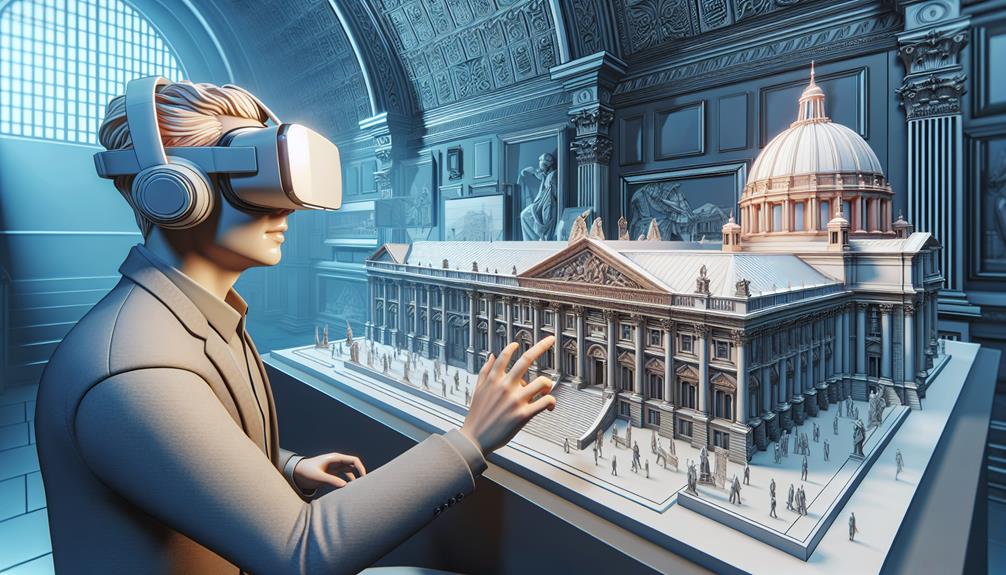
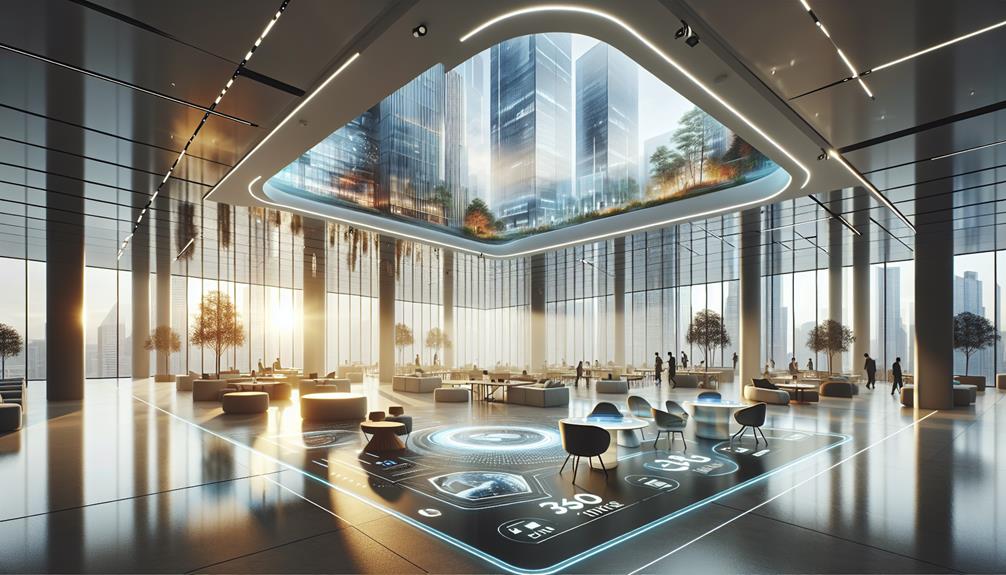
In today's competitive commercial real estate market, staying ahead of the curve is essential. Property owners and agents are constantly searching for innovative tools to attract and engage potential tenants.
One such tool that has garnered considerable attention is virtual tours. These immersive experiences provide a comprehensive and detailed view of commercial properties, enabling clients to explore them remotely and make well-informed decisions.
But what exactly makes virtual tours so powerful? How can they transform your commercial property marketing strategy? Join us as we uncover the game-changing benefits of virtual tours and explore their applications across various industries.
Get ready to unlock a whole new world of possibilities for your commercial properties.
Key Takeaways
- Virtual tours help potential tenants narrow down their options and only view properties that meet their criteria.
- Virtual tours give a comprehensive and detailed view of the commercial property, increasing the chances of being shortlisted.
- Virtual tours make the property more memorable and help it stand out among competitors.
- Virtual tours save time and resources by reducing the need for physical property visits.
Benefits of Virtual Tours
Virtual tours offer numerous benefits for commercial properties, enhancing the marketing strategy and providing a realistic and immersive experience for potential buyers or tenants.
The impact of virtual tours on property marketing cannot be understated. They allow clients to explore the property remotely, saving time and effort. By providing a comprehensive and detailed view of the commercial property, virtual tours increase the chances of being shortlisted.
Additionally, virtual tours increase customer engagement by allowing them to interact with the space and truly envision themselves in it. This level of engagement leads to a stronger connection and greater interest from potential buyers or tenants.
In a competitive market, virtual tours make the property more memorable and help it stand out among competitors.
With all these advantages, it's clear that virtual tours are an essential tool for successful property marketing.
Types of Commercial Properties
In the realm of commercial properties, it is important to understand the specific types of spaces that can benefit from the use of virtual tours.
When it comes to staging, commercial spaces that are ready to go with fresh decoration or a refitted interior work best for virtual tours. Older or run-down spaces may not present as well in a virtual tour.
Size is another important factor to consider, as showcasing a very large space can be confusing for viewers. Clean and tidy spaces tend to look better in virtual tours.
Virtual tours can be used for both furnished and unfurnished offices, whole buildings, or specific floors/areas.
Virtual Tours Vs Video Tours
When considering marketing strategies for commercial properties, it is important to understand the key differences between virtual tours and video tours.
Virtual tours provide a realistic and immersive experience for remote viewing, allowing potential buyers or tenants to explore the property at their convenience. They enhance the online presence of the property and increase engagement and interest.
On the other hand, video tours are designed to catch attention and highlight the best features of a space. They are used early in the sales process to generate interest.
While virtual tours can replace in-person property visits to some extent, they cannot fully replicate the physical experience. However, virtual tours provide the advantage of convenience, saving time and resources.
It is important to consider the pros and cons of both virtual tours and video tours when deciding on a marketing strategy for commercial properties.
Creating a Virtual Tour
To effectively market commercial properties, it is crucial to understand the process of creating a compelling virtual tour that showcases the space in its best light. Here are three important steps to consider when creating a virtual tour:
- Determine the equipment needed: Depending on the level of professionalism desired, the equipment for creating a virtual tour can range from smartphones to professional cameras. Consider the budget and desired outcome when deciding on the equipment.
- Plan the tour route: Before capturing the images or videos for the virtual tour, it is essential to plan the tour route and identify points of interest to highlight. This will ensure a well-organized and engaging virtual tour experience for potential clients.
- Ensure the property is tidy and schedule a time to photograph when no one is present: To present the commercial property in the best light, it is important to ensure that the space is clean and tidy. Additionally, schedule a time to photograph when there are no distractions or people present to create a seamless virtual tour.
Hiring a Professional Vs DIY
Engaging a professional to create a virtual tour for your commercial property can ensure a high-quality end product that effectively showcases the space to potential clients. While there are advantages to creating a virtual tour yourself, there are also significant benefits to hiring a professional.
A professional virtual tour creator has the expertise and equipment to capture the property in the best possible light, ensuring that every detail is showcased accurately. They can provide guidance on the best time of day to shoot and the production process, resulting in a polished and visually appealing virtual tour.
However, it is important to consider the budget and desired outcome when deciding whether to hire a professional or do it yourself. While hiring a professional may be necessary for complex or large-scale properties, shooting a virtual tour in-house can be cost-effective.
Ultimately, the decision to hire a professional or create a virtual tour yourself depends on your resources, expertise, and the level of quality you are aiming to achieve.
Virtual Tours in Real Estate
Creating a virtual tour for your commercial property can be a powerful marketing tool, especially in the real estate industry where virtual tours are widely utilized to attract potential buyers and tenants.
Interactive features in virtual tours:
Virtual tours in real estate can include interactive features such as information pop-ups, videos, and the ability to explore different areas of the property. These interactive elements enhance the viewer's experience and allow them to engage with the property on a deeper level.
Virtual staging and customization options in real estate:
Virtual tours offer the opportunity to showcase the property with virtual staging, allowing potential buyers or tenants to visualize the space with different furniture and decor options. This customization feature can help them envision how the property can be tailored to their specific needs.
Increased engagement and interest:
Virtual tours in real estate not only provide a realistic and immersive experience for remote viewing but also help increase engagement and interest from potential buyers or tenants. With the ability to explore the property at their own pace and from the comfort of their own location, viewers are more likely to spend more time engaging with the virtual tour, increasing the chances of conversion.
Incorporating interactive features, virtual staging, and customization options in real estate virtual tours can significantly enhance the marketing efforts for commercial properties, attracting more potential buyers and tenants and setting the property apart from competitors.
Virtual Tours for Schools, Colleges, and Universities
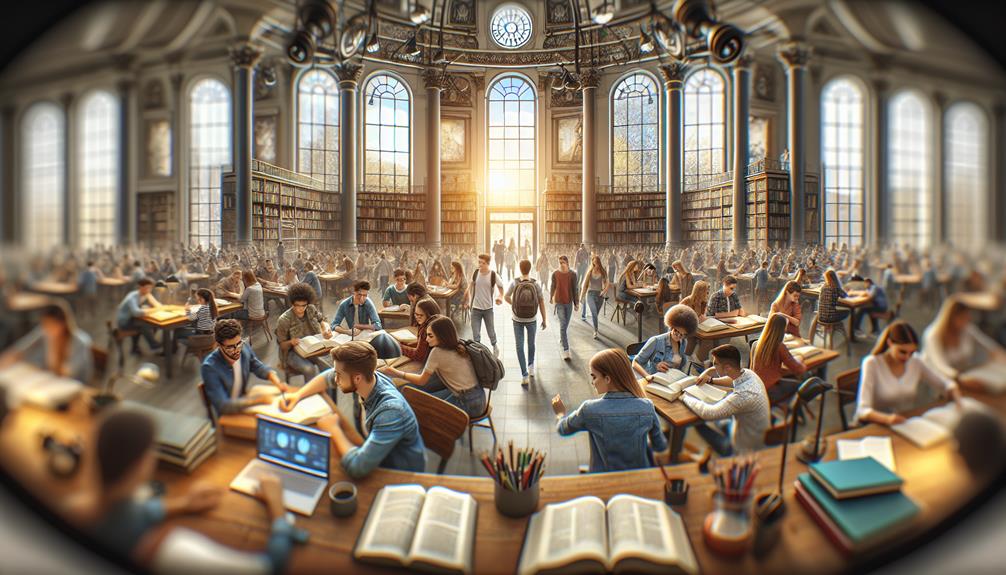
Virtual tours have become an essential tool for schools, colleges, and universities to showcase their campus facilities and attract prospective students. These virtual tours provide a convenient way for potential students to explore the institution without physically visiting the campus. With the use of virtual tours, schools can highlight their state-of-the-art classrooms, laboratories, libraries, sports facilities, and dormitories.
Interactive features such as information pop-ups and videos can be incorporated into the virtual tours to provide additional details about the programs and services offered by the institution. Furthermore, virtual tours can be accessed from anywhere, making them accessible to international students who may not have the opportunity to visit the campus in person.
Virtual tours for schools, colleges, and universities are as crucial in attracting prospective students as virtual tours for museums and art galleries are in showcasing their collections.
Virtual Tours for Restaurants, Bars, and Hospitality
Restaurants, bars, and hospitality establishments have embraced the use of virtual tours as a powerful marketing tool to provide potential customers with an immersive and realistic preview of their venue. With the rise of online searches and the importance of visual content, virtual tours allow these businesses to showcase their venue and attract customers in a highly competitive industry.
Here are three reasons why virtual tours are beneficial for restaurants, bars, and hospitality:
- Showcasing Venue Ambiance: Virtual tours provide an opportunity to showcase the ambiance, decor, and seating arrangements of the establishment. Potential customers can get a feel for the atmosphere and decide if it aligns with their preferences.
- Interactive Menu Options: Virtual tours can include interactive menus, allowing customers to explore the offerings and even make reservations. This feature enhances the customer experience and makes it easier for them to plan their visit.
- Building Trust and Transparency: By giving customers a preview of the venue through a virtual tour, restaurants, bars, and hospitality establishments can build trust and transparency. Customers can see the space before visiting, which helps manage their expectations and increases their confidence in choosing the establishment.
Conclusion

Given the numerous benefits that virtual tours offer for commercial properties, it is clear that they have become an essential tool for businesses in various industries, including restaurants, bars, and the hospitality sector. In the digital age, where online presence and engagement are crucial, virtual tours provide a unique advantage.
They enhance the online presence of commercial properties, increase engagement and interest from potential buyers or tenants, and provide a realistic and immersive experience for remote viewing.
Additionally, virtual tours save time and resources by reducing the need for physical property visits. They showcase the property's unique features and highlight its selling points, making it more memorable and helping it stand out among competitors.
Frequently Asked Questions
What Are Some Common Virtual Tour Platforms Used for Commercial Properties?
Some common virtual tour platforms used for commercial properties include Matterport, 3DVista, and Cupix. These platforms offer a range of features such as 3D modeling, interactive floor plans, and virtual reality compatibility.
When comparing virtual tour platforms, it is important to consider factors such as ease of use, compatibility with different devices, and cost.
Using virtual tour platforms can greatly benefit commercial properties by providing a realistic and immersive experience for potential clients, increasing engagement and interest, and saving time and resources.
How Long Does It Typically Take to Create a Virtual Tour for a Commercial Property?
Creating virtual tours for commercial properties can take anywhere from a few hours to a few weeks, depending on the complexity of the property and the level of customization required. Factors such as the size of the space, the number of points of interest, and the desired level of detail can all impact the time it takes to create a virtual tour.
It is important to carefully plan the tour route, capture high-quality images or videos, and ensure smooth transitions between scenes for a seamless and engaging virtual experience.
Can Virtual Tours Be Customized to Include Branding and Logos?
Customization options for virtual tours allow for incorporating branding and logos, enhancing the overall professional image of a commercial property. By including branding elements, such as logos, colors, and fonts, virtual tours can align with a company's brand identity, reinforcing brand recognition and credibility.
This customization adds a personalized touch and creates a cohesive visual experience for potential clients. The benefits of incorporating branding in virtual tours include increased brand visibility, improved brand perception, and a stronger connection with the target audience.
Are There Any Limitations or Restrictions on the Size of Commercial Properties That Can Have Virtual Tours?
There are certain limitations and restrictions when it comes to the size of commercial properties that can have virtual tours. While virtual tours can be beneficial for a wide range of commercial spaces, showcasing very large properties can be challenging and potentially confusing for viewers.
It is important to consider the scale and complexity of the property when planning a virtual tour. Additionally, older or run-down spaces may not present as well in a virtual tour, so it is crucial to assess the condition of the property before deciding to create a virtual tour.
What Are Some Additional Features That Can Be Included in a Virtual Tour for Commercial Properties?
Some additional features that can be included in a virtual tour for commercial properties are:
- Interactive floor plans
- Detailed property descriptions
- Clickable hotspots for highlighting specific features or amenities
- The option for viewers to take measurements of the space
These features enhance the overall experience and provide potential tenants with a comprehensive understanding of the property. It is important to create an engaging virtual tour that showcases the property's unique selling points and allows viewers to interact with the space in a meaningful way.
Conclusion
In conclusion, virtual tours have emerged as a powerful tool in the competitive commercial real estate market. They offer numerous benefits, such as enhancing online presence, increasing engagement, and saving time and resources.
Whether it's for real estate, schools, or hospitality, virtual tours provide a comprehensive and immersive experience for potential clients.
By leveraging this innovative technology, property owners and agents can revolutionize their marketing strategies and attract a larger audience.
So why wait? Unleash the power of virtual tours and elevate your commercial property marketing to new heights.