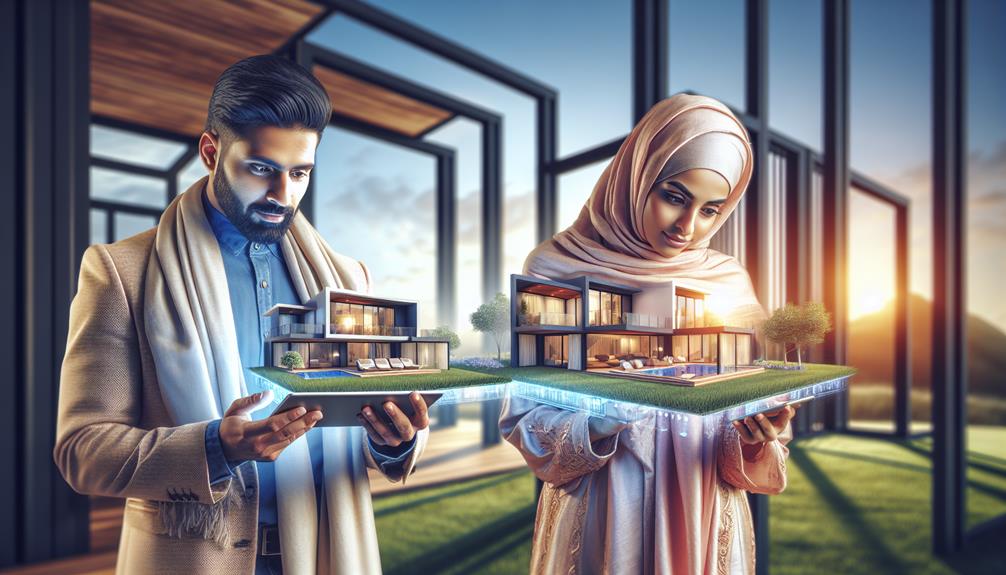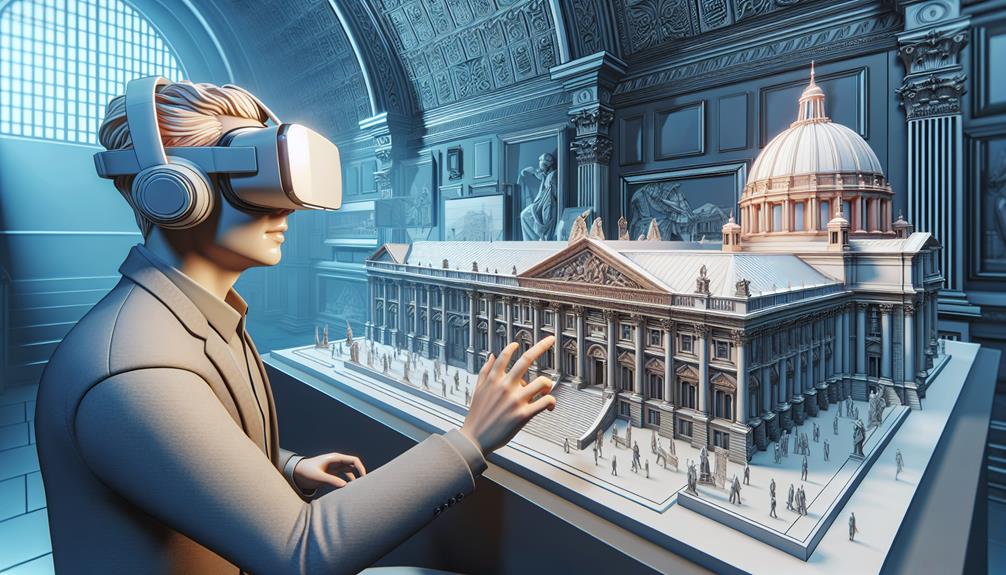

In the ever-evolving world of technology, the way we explore spaces has been revolutionized, offering a more immersive and interactive experience.
From virtual tours to 3D virtual tours and 360 tours, there are endless possibilities to discover the ultimate tour experience.
But what sets these tours apart? How can they unleash your imagination and provide a comprehensive view of the spaces you're interested in?
In this discussion, we will explore the benefits and limitations of different tour types, uncovering the future of touring and how it can transform the way we engage with and explore spaces.
Get ready to embark on a journey of discovery and imagination as we unveil the ultimate tour experience.
Key Takeaways
- 3D virtual tours and 360 tours provide immersive and interactive experiences.
- Video tours have limitations in terms of interactivity and differentiation in a crowded market.
- Virtual tours in real estate may not fully replicate the physical experience and can lead to misrepresentation.
- Virtual tours in commercial properties may have limited customization options and struggle to convey ambiance or showcase live events.
Benefits of 3D Virtual Tours
3D virtual tours offer numerous benefits for businesses and properties, revolutionizing the way visitors interact and explore spaces.
When comparing virtual tours to 3D models and traditional photography, it becomes apparent that virtual tours provide a more immersive and interactive experience. Unlike traditional photography, virtual tours allow users to explore every detail of a space, providing a comprehensive view. They also offer interactive data points, which can contain various media, enhancing the visitor's engagement.
Additionally, virtual tours are more cost-effective than initially thought, making them an attractive option for businesses and properties.
In terms of the tourism industry, virtual tours have had a significant impact. They allow potential tourists to explore destinations and attractions remotely, giving them a taste of what to expect. This has the potential to increase interest and boost tourism in certain areas.
Advantages of 360 Tours
360 tours offer a dynamic and immersive experience, allowing users to explore a space in a fully interactive manner. They provide several advantages that enhance the overall tour experience.
Advantages of 360 Tours:
- Customization options:
- 360 tours can be tailored to specific requirements, allowing businesses to showcase their unique branding and style.
- Additional features, such as interactive hotspots, can be added to provide further information or highlight key points of interest.
- Immersive experience:
- With high-quality images and seamless stitching, 360 tours create a realistic and immersive environment for users.
- Users can freely navigate the space, giving them a sense of presence and control.
These advantages make 360 tours a powerful tool for businesses and individuals looking to engage their audience with captivating and personalized virtual experiences.
Drawbacks of Video Tours
Video tours, while popular in the realm of online content, do have some drawbacks that should be considered.
One potential alternative to video tours is the use of 3D virtual tours. These tours provide a comprehensive view of a space, allowing visitors to explore every detail and interact with interactive data points. They can be easily added to websites and facilitate collaboration with architects and designers.
Another alternative is the use of 360 tours, which offer versatility and can be customized according to specific requirements.
However, if video tours are still the preferred choice, there are ways to overcome their limitations. One way is to make the content more interactive by incorporating quizzes, polls, or clickable annotations. Additionally, including captions or voiceovers can help provide additional information and prevent information overload.
Limitations of Virtual Tours in Real Estate
While video tours have their drawbacks, virtual tours in the real estate industry also have limitations to consider. These limitations can impact the overall experience for potential buyers or renters.
Some of the limitations of virtual tours in real estate include:
- Difficulty conveying property layout: Virtual tours may struggle to accurately convey the layout and flow of a property. Without physically walking through the space, it can be challenging for viewers to understand the spatial arrangement of rooms and how they connect.
- Potential for misrepresentation: Virtual tours have the potential to unintentionally misrepresent certain aspects of a property. Without the ability to physically inspect the property, viewers may form false expectations based on what they see in the virtual tour.
These limitations should be taken into account when using virtual tours as a marketing tool in the real estate industry. While they provide many benefits, it is important to balance them with the limitations to ensure a transparent and accurate representation of the property.
Challenges of Virtual Tours in Commercial Properties
The implementation of virtual tours in commercial properties presents unique challenges and considerations for businesses in various industries. One of the challenges is security concerns. Virtual tours may inadvertently expose sensitive information or security vulnerabilities, raising potential risks for businesses. Careful planning and secure hosting platforms are essential to mitigate these concerns.
Another challenge is conveying ambiance. Commercial properties often rely on creating a specific atmosphere to attract customers. Virtual tours may struggle to effectively communicate the ambiance and atmosphere of a commercial space. The use of immersive technologies, such as virtual reality, can help enhance the experience by incorporating audio, visual effects, and interactive elements. However, it is crucial to strike a balance between showcasing the space accurately and conveying the desired ambiance.
Addressing these challenges will enable businesses to leverage virtual tours effectively and provide potential customers with an engaging and informative experience.
Enhancing the Tour Experience: Tips and Tricks
To enhance the tour experience, businesses can employ various strategies and techniques that captivate visitors and provide them with a memorable and immersive journey through the space. Here are some tips and tricks to create an unforgettable tour:
- Creating Immersive Environments:
- Use lighting effects to set the mood and create a captivating atmosphere.
- Incorporate soundscapes or background music that complements the space and enhances the overall experience.
- Interactive Tour Elements:
- Integrate interactive exhibits or displays that allow visitors to actively engage with the space.
- Incorporate augmented reality or virtual reality elements to provide a unique and interactive perspective.
Frequently Asked Questions
How Do 3D Virtual Tours Compare to Traditional 2D Photos in Terms of Cost and Effectiveness?
In terms of cost comparison, 3D virtual tours may initially seem more expensive than traditional 2D photos due to the specialized equipment and software required. However, they offer a more comprehensive and immersive experience, allowing visitors to explore every detail of a space.
This increased effectiveness can result in higher engagement and a better understanding of the property or business. Ultimately, the cost-effectiveness of 3D virtual tours depends on the specific needs and goals of the tour experience.
Are There Any Potential Negative Effects on Viewers' Health or Comfort When Using 360 Tours?
Potential health risks or negative effects on viewers' health or comfort when using 360 tours should be taken into consideration.
Prolonged exposure to virtual reality environments, including 360 tours, can cause motion sickness, eye strain, and disorientation.
Some viewers may also experience discomfort due to the lack of physical presence and sensory feedback.
It is important to provide breaks and ensure that viewers are aware of these potential risks to promote a safe and comfortable experience.
What Are Some Creative Ways to Make Video Tours Stand Out and Attract Attention in a Crowded Online Environment?
To make video tours stand out and attract attention in a crowded online environment, incorporating interactive elements and utilizing storytelling techniques can be highly effective.
Interactive elements such as clickable hotspots, quizzes, or gamified features can engage viewers and enhance their experience.
Additionally, storytelling techniques, such as utilizing compelling narratives, music, and visually appealing cinematography, can create an emotional connection and captivate viewers.
How Can Virtual Tours in Real Estate Address the Challenge of Accurately Representing the Size and Scale of Rooms or Spaces?
Accurately representing the size and scale of rooms or spaces is a challenge that virtual tours in real estate face. However, advancements in technology have improved the effectiveness of virtual tours in addressing this challenge.
By utilizing high-resolution 360-degree photography and incorporating accurate measurements in the tour, virtual tours can provide a realistic representation of the space.
Additionally, the inclusion of interactive features such as floor plans and virtual measuring tools can further enhance the viewer's understanding of the size and scale of the rooms or spaces.
What Are Some Innovative Ways to Customize Virtual Tours for Commercial Properties to Align With a Company's Branding and Specific Needs?
Customizing virtual tours for commercial properties offers a range of innovative options to align with a company's branding and specific needs.
From incorporating customized logos, colors, and fonts to integrating interactive elements such as clickable hotspots that showcase product information or promotional videos, there are numerous ways to create a tailored experience.
Conclusion
In conclusion, virtual tours have revolutionized the way we explore and engage with spaces. With the immersive experience of 3D virtual tours and the versatility of 360 tours, individuals can now unleash their imagination and gain a comprehensive view of properties and commercial spaces.
While there are limitations and challenges to consider, the possibilities for enhancing the tour experience are endless. By embracing this technology, we can look forward to a future where touring becomes more seamless, interactive, and captivating.