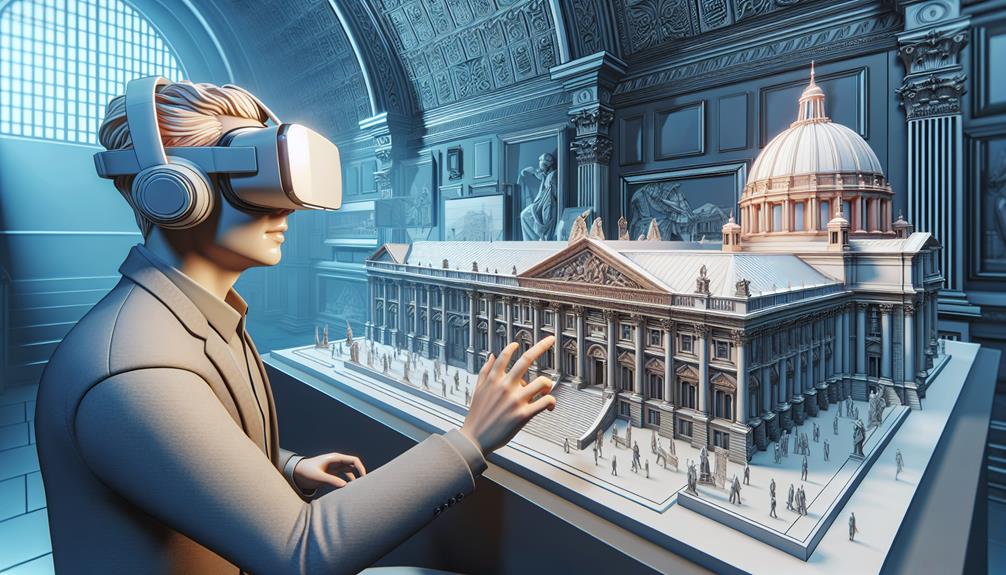
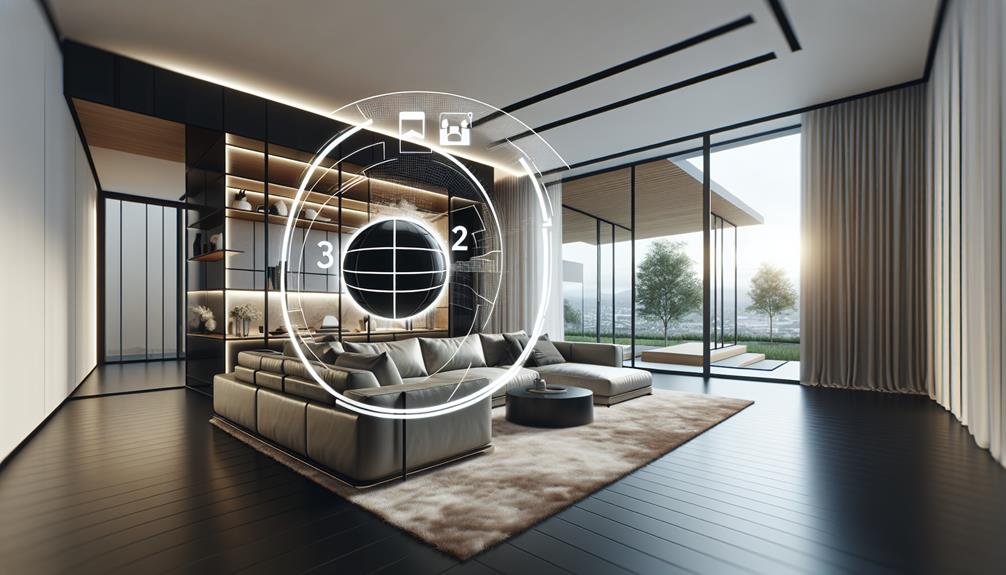
In the ever-evolving world of real estate, staying ahead of the curve is crucial for success. One revolutionary advancement that has transformed the property viewing experience is the use of virtual tours.
By harnessing the power of 3D property scanning technology, virtual tours offer a unique and immersive way for potential buyers to explore properties from the comfort of their own homes.
But how exactly do virtual tours work, and what benefits do they bring to the table? In this article, we will uncover the inner workings of virtual tours, discuss the advantages they offer, and explore the endless customization options available.
So, if you’re curious about how virtual tours are revolutionizing property viewing, stick around to uncover the power and potential they hold.
Key Takeaways
- 3D property scanning captures a space using 3D camera technology.
- Virtual tours accurately represent the size and shape of a property.
- Virtual tours save time by reducing the need for multiple physical viewings.
- Virtual tours significantly increase the time people spend on a website, improving SEO.
How 3D Property Scanning Works
Have you ever wondered how 3D property scanning works?
3D property scanning is a revolutionary technology that captures a space using 3D camera technology. This technology allows for the creation of a digital version of the space by stitching together scans using special software. Originally used by surveyors and architects for visual representation, the combination of photography and 3D scanning has created commercial value. This technology uses a special camera that captures both visible and invisible light to map the space, as well as laser light to digitally capture the dimensions of objects. The camera scans the room, uploading a digital 3D representation that can be used for various purposes.
The benefits of 3D property scanning and virtual tours are vast.
Virtual tours accurately represent the size and shape of a property, saving time by reducing the need for multiple physical viewings. This technology has revolutionized property viewing in various industries, allowing for worldwide accessibility and increasing the time people spend on a website, which improves SEO. Additionally, virtual tours can be customized to include additional information such as text, pictures, video, audio, or external links. This customization allows for the inclusion of relevant information like room capacity or past event photos, enhancing the overall experience. The time and cost of creating a virtual tour are relatively efficient and affordable, with a fast turnaround time and various pricing options based on the complexity of the space.
Benefits of Virtual Tours
Virtual tours offer numerous benefits for property viewing, revolutionizing the way people explore and experience properties. Some of the advantages of virtual tours include:
- Convenience: Virtual tours allow potential buyers or renters to view properties from the comfort of their own homes, eliminating the need for multiple physical viewings and saving time and effort.
- Accessibility: Virtual tours are accessible worldwide, making it easier for people with travel limitations to explore properties in different locations.
- Increased Engagement: Virtual tours significantly increase the time people spend on a website, improving search engine optimization (SEO) and increasing the chances of attracting potential buyers or renters.
Moreover, virtual tours have applications in various industries beyond real estate, such as tourism, hospitality, education, and retail. They provide a unique and immersive experience that can enhance marketing efforts and improve customer engagement.
Customization and Additional Information
With the ability to enhance the virtual tour experience, customization and additional information play a crucial role in providing a comprehensive understanding of the property. Virtual tours have a significant impact on customer engagement and are increasingly becoming an essential tool in real estate marketing.
By incorporating customization and additional information, virtual tours can provide potential buyers with a more immersive and informative experience.
Customization allows real estate agents to tailor the virtual tour to the specific needs and preferences of potential buyers. They can add data points that contain text, pictures, video, audio, or external links. This enables them to showcase important details about the property, such as room capacity or past event photos. Additionally, audio files of potential music or narration can be included to enhance the overall experience.
Time and Cost of Creating Virtual Tours
Creating virtual tours involves careful consideration of both time and cost factors. Here are three important points to keep in mind:
- Turnaround time: The process of 3D property scanning typically takes around 90 minutes to a few hours, depending on the size of the space being scanned. However, the fast turnaround time for completed work is usually 3-5 working days. This efficient process allows for quick delivery to clients, ensuring prompt marketing opportunities.
- Pricing options: The cost of virtual tours can vary based on the complexity of the space. Starting from $250 + tax, individual quotes are provided for each bespoke virtual tour. It’s worth noting that virtual tours are more affordable than commonly perceived, and a comprehensive guide to pricing options is available to help clients make informed decisions.
The Impact of Virtual Tours on SEO
The integration of virtual tours into property marketing strategies has not only transformed the way potential buyers view and experience properties, but it has also had a significant impact on search engine optimization (SEO) for real estate websites.
Virtual tours for marketing have become a powerful tool in attracting online traffic and improving the visibility of real estate websites. By providing an immersive and interactive experience, virtual tours increase the time visitors spend on a website, which is a key factor in improving SEO rankings.
The use of virtual tours for real estate allows for better engagement with potential buyers, leading to increased interest and higher conversion rates. Additionally, virtual tours provide unique content that is highly shareable, generating more backlinks and further boosting SEO.
As a result, real estate websites that incorporate virtual tours are more likely to rank higher in search engine results, attracting more organic traffic and potential buyers.
Contact Information for 3D Property Scanning
For inquiries regarding 3D property scanning services, please feel free to contact our team at Studio 03SUM Studios. We are experts in the field with a passion for innovative marketing, and we would be happy to assist you with any questions or projects you may have.
Here are a few key points to consider when it comes to virtual tour services:
- Virtual tour software options: We use top-of-the-line virtual tour software to ensure high-quality and immersive experiences for viewers. Our software allows for customization, interactivity, and easy navigation through the virtual space.
- Best practices for virtual tour photography: Our team follows industry best practices to capture stunning and accurate virtual tours. We pay attention to lighting, angles, and composition to showcase each property in the best possible way.
- Portfolio and inspiration: Take a look at our latest projects portfolio to see examples of our work and get inspired for your own virtual tour. We have experience working with a wide range of properties, from residential homes to commercial spaces.
Examples of Successful Virtual Tours
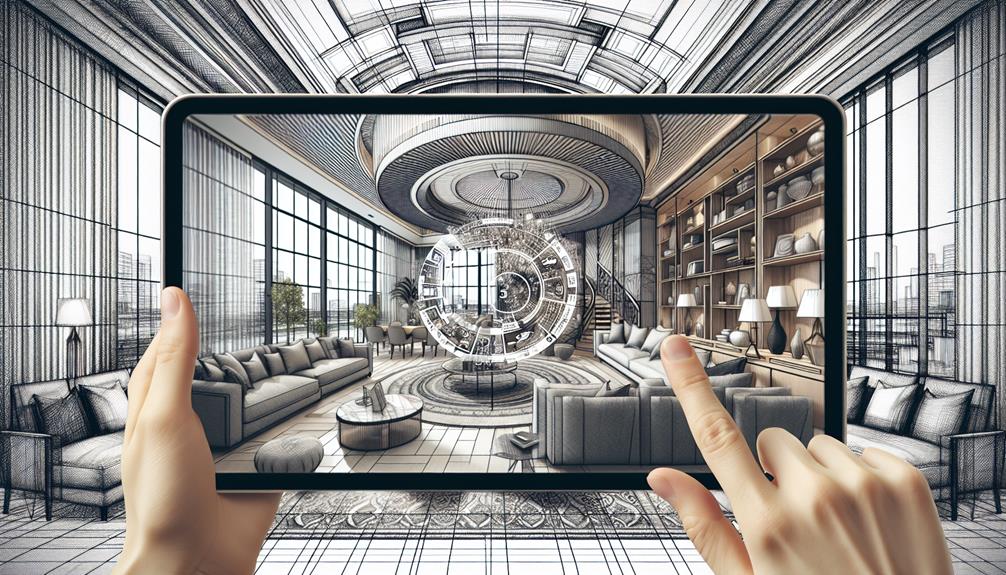
Virtual tours have become increasingly popular in the real estate industry, providing potential buyers with an immersive and convenient way to explore properties from the comfort of their own homes. The impact of virtual tours on the real estate market has been significant, as they allow buyers to visualize and experience properties without physically visiting them. This has led to increased buyer engagement, improved customer satisfaction, and expedited decision-making processes.
Moreover, virtual tours have also made their mark in the hospitality industry, allowing hotels and resorts to showcase their amenities, rooms, and facilities to potential guests. By offering a virtual tour, hotels can give guests a realistic preview of their accommodations and create a sense of trust and transparency. This has proven to be an effective marketing tool, attracting more bookings and increasing customer satisfaction.
Frequently Asked Questions
Can Virtual Tours Be Created for Any Type of Property, Regardless of Size or Layout?
Yes, virtual tours can be created for any type of property, regardless of size or layout. They accurately showcase the property’s size and shape, saving time by reducing the need for multiple physical viewings.
The benefits of virtual tours for both sellers and buyers are immense. They revolutionize property viewing, offering a convenient and immersive experience. This technology is the future of property viewing, allowing potential buyers to explore properties from anywhere in the world.
How Long Do Virtual Tours Typically Last? Is There a Time Limit for Viewing?
Virtual tours offer the convenience and accessibility of property viewing from anywhere, allowing viewers to take their time exploring every detail. There is no time limit for viewing virtual tours, ensuring that potential buyers or renters have ample opportunity to thoroughly examine the property.
This eliminates the pressure of rushed physical viewings and allows for a more relaxed and comprehensive evaluation.
Virtual tours revolutionize the property viewing experience, providing a flexible and immersive alternative to traditional methods.
Can Virtual Tours Be Viewed on All Types of Devices, Including Mobile Phones and Tablets?
Mobile friendly virtual tours offer numerous benefits for property viewing. These tours can be easily accessed and viewed on all types of devices, including mobile phones and tablets.
The convenience of viewing virtual tours on mobile devices enables potential buyers or renters to explore properties anytime and anywhere. It eliminates the need for physical visits, saving time and effort.
Mobile friendly virtual tours provide a realistic and immersive experience, allowing users to navigate through spaces and examine details, enhancing the decision-making process.
Yes, virtual tours are interactive, allowing viewers to navigate through the property on their own. This feature provides numerous benefits for real estate agents and potential buyers.
For real estate agents, virtual tours offer a convenient and efficient way to showcase properties without the need for physical viewings. They can reach a wider audience and save time by allowing potential buyers to explore the property at their own pace.
This interactive experience enhances engagement and increases the likelihood of a successful sale.
Are Virtual Tours Compatible With Virtual Reality (Vr) Devices for a More Immersive Experience?
Virtual tours have become a game-changer in the real estate industry, offering an immersive viewing experience for potential buyers. When it comes to compatibility with virtual reality (VR) devices, virtual tours are indeed compatible, providing users with an even more immersive experience.
Conclusion
In conclusion, virtual tours have revolutionized the property viewing experience by providing an immersive and interactive way for potential buyers to explore properties from the comfort of their own homes.
This technology not only saves time and reduces the need for multiple physical viewings, but it also has a global reach, making it accessible to individuals with travel limitations.
According to a recent survey, properties with virtual tours receive 87% more views than those without, highlighting the significant impact of this innovative marketing solution.